Win Projects: The Ultimate Proposal Template & Plan
In the world of freelancing and client services, your work begins long before the first sketch is drawn or the first line of code is written. It starts with the proposal. A generic, text-heavy document often lands in the digital trash bin, but a structured, visually compelling presentation can be the difference between a polite rejection and a signed contract. Using a dedicated Project Proposal Template isn't just about looking professional; it's about communicating value effectively. When you combine a solid business plan with high-quality design assets, you transform your pitch from a simple quote into a persuasive argument for why you are the right choice.
The Anatomy of a High-Converting Proposal
A successful proposal is an exercise in visual hierarchy and strategic storytelling. It isn't enough to list your services and a price tag. You need to guide the client through a journey that addresses their specific pain points and presents your solution as the clear path forward. This is where a premium template shines. Think of it as a framework for your brand identity. Instead of wrestling with margins and fonts, you can focus on the content.
The visual personality of a strong proposal should mirror the brand you are pitching for, or at least represent your own brand's standard of excellence. It needs to feel modern, clean, and intentional. A cluttered layout suggests a cluttered mind; a streamlined, well-organized presentation suggests a streamlined, efficient workflow. When you hand over a beautifully designed PDF or a Canva presentation, you are giving the client a preview of the care and attention you will bring to their actual project.
Visual Style and Personality
The best templates strike a balance between professionalism and creativity. They utilize ample white space to let the content breathe, ensuring that the client isn't overwhelmed by walls of text. Typography plays a massive role here. A good layout pairs a strong serif font for headings with a highly readable sans serif font for body copy. This combination creates a visual rhythm that makes the document easier to digest. The personality should be confident but not arrogant, creative but not chaotic. It’s about establishing authority while remaining approachable.
Practical Applications: Where and How to Use It
While the primary use case is obvious—sending quotes to potential clients—the versatility of a robust Project Proposal Template extends much further. It serves as a foundational element in your broader marketing and branding strategy.
- Client Onboarding: Once the proposal is accepted, the same visual system can be adapted for an onboarding packet, setting the tone for the entire project lifecycle.
- Business Pitches: Whether you are seeking investors or partners, a polished pitch deck built from a template ensures your data and vision are presented coherently.
- Internal Planning: Use the structure to map out your own business plan. The sections required for a client proposal (Goals, Timeline, Budget) are equally valuable for internal strategic planning.
This approach works for a wide range of industries. Freelancers in graphic design, web development, or copywriting can use it to showcase their portfolio alongside their pricing. Small business owners can use it to formalize service agreements. Even corporates can benefit from a standardized template to ensure brand consistency across different departments and sales teams. The key is adaptability. A good template allows you to swap out images, change color palettes, and adjust text to fit the specific context of the project.
Influencing Brand Perception and Trust
Never underestimate the psychology of presentation. When a client receives a proposal that looks like it was typed in a basic word processor five minutes ago, it signals a lack of investment. Conversely, a document that features a cohesive brand identity—consistent colors, professional typography, and logical flow—builds immediate trust.
This isn't about "hype" or sales tricks; it's about respecting the client's time and intelligence. A well-designed proposal suggests that if you care this much about the presentation of the quote, you will care even more about the delivery of the work. It influences readability directly. By breaking down complex project scopes into digestible sections using headers, bullet points, and visual cues, you make the decision-making process easier for the client. They can quickly find the information they need, which reduces friction and moves them closer to signing off.
Choosing the Right Template and Tools
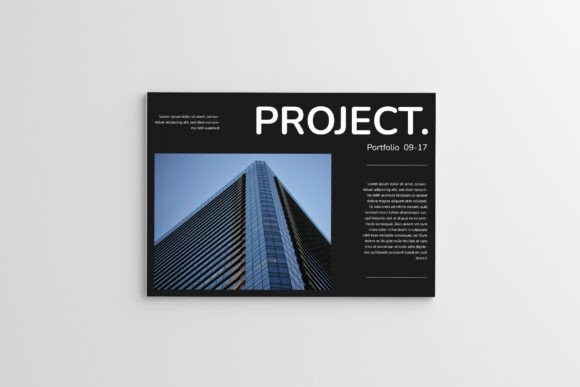
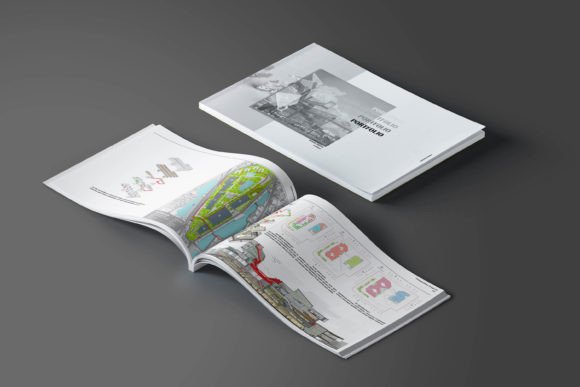
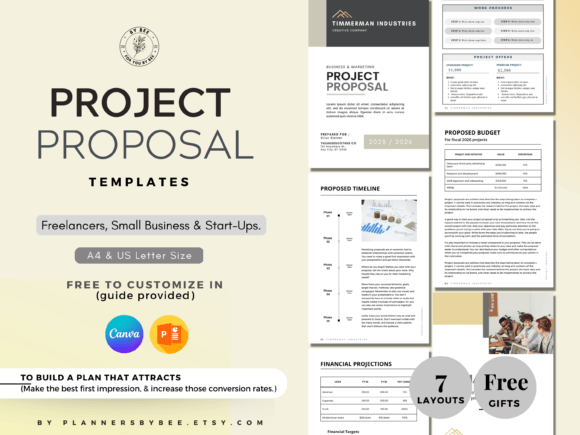
Not all templates are created equal. When evaluating a Project Proposal Template, you need to look beyond the mockup images and consider the functionality. A great template should be easy to edit without requiring advanced design skills. This is why formats like Canva and MS PowerPoint are so popular; they are accessible tools that most professionals already know how to use.
Evaluating Design Assets
When you download a template pack, check for the following to ensure it meets professional standards:
- File Compatibility: Ensure the files work seamlessly in your preferred software. A Canva link is excellent for cloud-based collaboration, while PPTX files are great for offline editing.
- Typography Licensing: If the template uses a premium font or a creative font, verify the license. Can you use it commercially? Is it a web font as well as a print font? You don't want to design your whole proposal around a typeface you can't legally use in your logo or other marketing materials.
- Layout Flexibility: Look for templates that offer multiple page layouts. You might need a text-heavy page for terms and conditions, but an image-heavy page for your portfolio. A rigid template will frustrate you; a flexible one will empower you.
Font Pairings and Readability
Typography is the voice of your document. If the template uses a highly decorative script font for body text, it will be impossible to read. Good templates use display fonts sparingly for impact and rely on clean, neutral typefaces for the heavy lifting. When customizing your template, stick to two or three font families maximum to maintain a professional look. If you decide to change the fonts, ensure the new pairings have good contrast. A bold, geometric sans serif pairs well with a traditional serif, creating a dynamic yet balanced visual hierarchy.
Finalizing Your Pitch
Ultimately, the goal of using a Project Proposal Template is to save time and increase your win rate. It allows you to focus on the strategy—the "what" and the "why"—rather than the formatting. By presenting your business plan in a visually engaging format, you are not just sending a document; you are creating an experience. You are showing the client that you are organized, detail-oriented, and ready to take their project to the next level. Whether you are a solo freelancer or part of a larger agency, investing in high-quality design assets for your proposals is an investment in your business's growth and reputation.