Elevate Your Work: A Minimal Black Portfolio Template
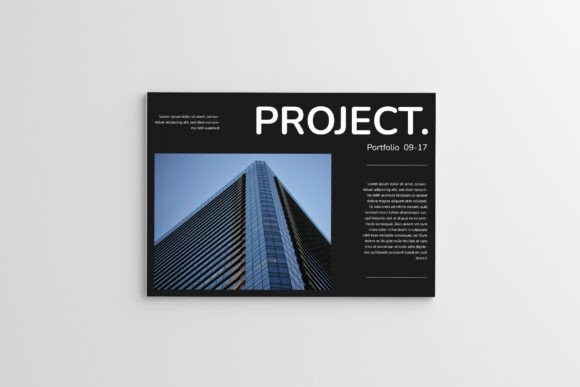
When it comes to presenting your architectural vision, the medium is just as important as the message. A cluttered, poorly organized portfolio can distract from even the most stunning design work. That’s where a focused, professional template becomes your most valuable design asset. The Architecture Portfolio Project Portfolio is a modern, minimal black and white template crafted specifically for architects, interior designers, and creative studios. It provides a clean, sophisticated framework that lets your projects speak for themselves, ensuring your work captures attention and communicates professionalism at first glance.
The Power of a Minimal, Professional Aesthetic
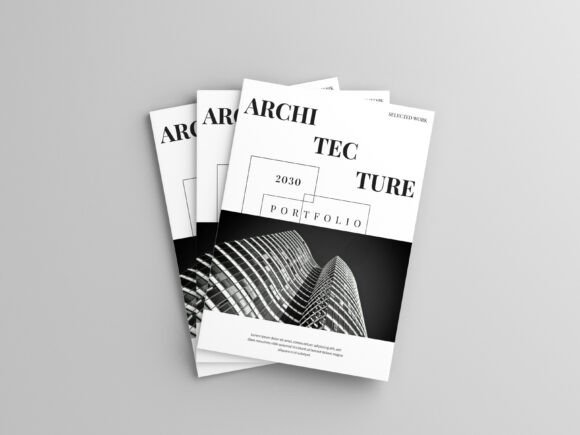
This template isn’t just a collection of pages; it’s a carefully considered brand identity tool. Its visual personality is one of confidence, clarity, and contemporary elegance. The modern black layout creates a dramatic backdrop that makes project imagery pop, while the structured grid-based design ensures every element has its place. This isn’t about flashy trends; it’s about timeless modern typography and a premium font style that conveys authority. The monochromatic scheme eliminates visual noise, directing the viewer’s eye exactly where you want it—on the details of your architectural projects, interior designs, or urban planning case studies.
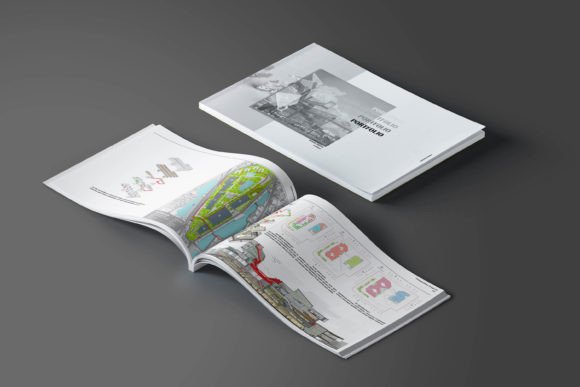
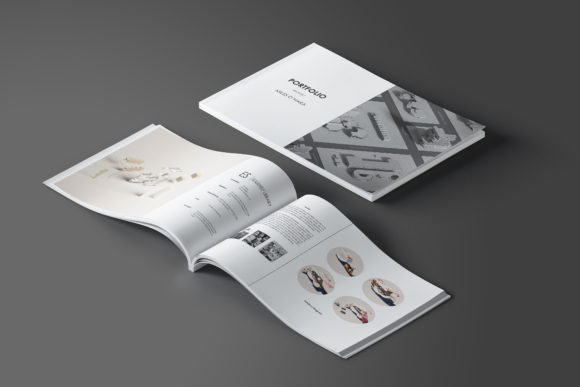
The appeal lies in its versatility and restraint. Think of it as the sans serif font of portfolio templates: clean, highly readable, and endlessly adaptable. It provides the perfect foundation for both print and digital presentations, ensuring your work looks impeccable whether viewed on a tablet during a client meeting or printed as a high-quality booklet. The well-structured pages—including project cover, overview, image gallery spreads, and contact page—guide your audience through a logical narrative, enhancing readability and visual hierarchy without you having to build it from scratch.
Where This Template Shines: Real-World Applications
Its strength is its focus. This is the ideal design asset for anyone needing to showcase built environment projects with clarity. For a practicing architect, it transforms a collection of images and technical drawings into a compelling professional design proposal. For a student, it structures a student portfolio with the polish of an established studio, making a powerful first impression. Interior designers will find the image gallery spreads perfect for highlighting material textures and spatial relationships, while urban planners can use the clean layouts to present complex site analyses and community impact studies.
Beyond architecture, its principles are broadly applicable. The template’s approach to editorial design—using grids, ample white space, and consistent styling—can be adapted for high-end packaging design case studies or web design project breakdowns. Marketing professionals and content creators can use its structured approach to present campaign results or brand strategy documents. Even bloggers and publishers focused on design, real estate, or craftsmanship could adapt its layout for creating lookbooks or digital magazines. Its minimal black & white design acts as a neutral canvas, ensuring your work, not the template, remains the star.
Practical Guidance for Using Your Portfolio
Getting started is intuitive, but a few strategic choices will maximize its impact. First, embrace the fully editable text and images. Customize the placeholder copy with your project’s specific story—the challenges, the solutions, the materials. Replace the images with high-resolution photography and clear, annotated drawings. The template’s professional grid-based layout is your best friend; use it to align text and images consistently across all pages. This consistency is key to building a recognizable brand identity for your studio or personal practice.
Consider your font pairing carefully if you decide to adjust the default typography. The template likely uses a clean display font for headings and a highly legible sans serif font for body text. If you introduce a third typeface, perhaps a subtle serif font for pull quotes, ensure it complements rather than competes. Always test your final design in both its intended formats. Does the text remain readable when printed on matte paper? Do the image spreads load smoothly in a PDF? The template’s print and digital ready nature is a huge advantage, but always proof rigorously.
Finally, remember that this is a tool for client presentation and professional advocacy. Its value lies in how it elevates your work, making complex projects accessible and engaging. It demonstrates an understanding of visual hierarchy and audience experience, qualities that reflect directly on your professionalism. By providing a clean, focused vessel for your projects, the Architecture Portfolio Project Portfolio template helps you communicate not just what you’ve designed, but how you think as a designer.